Dr Minh Alexander retired consultant psychiatrist 22 July 2023
I am unable to do this serious matter justice and am posting in summary to share a recently published report on a surgical scandal at Salford Royal Hospital, which is now part of the Northern Care Alliance NHS Foundation Trust:
Salford Royal Spinal Patient Safety Look Back Review June 2023
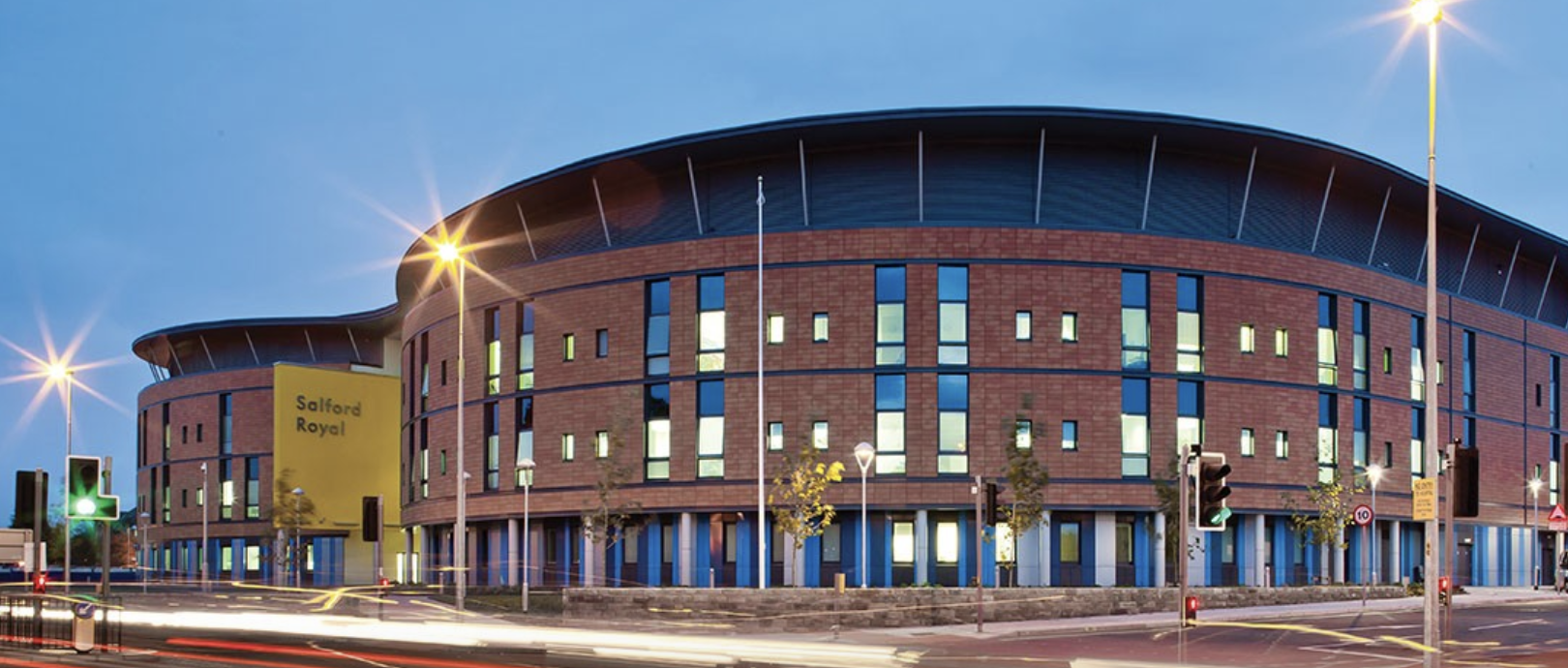
The trust’s predecessor body the Salford Royal NHS Foundation Trust was for some years practically deified by regulators as an exemplar of unimpeachable safety practice. It was one of several trusts used by Jeremy Hunt as a rod with which to batter struggling, under resourced NHS trusts.
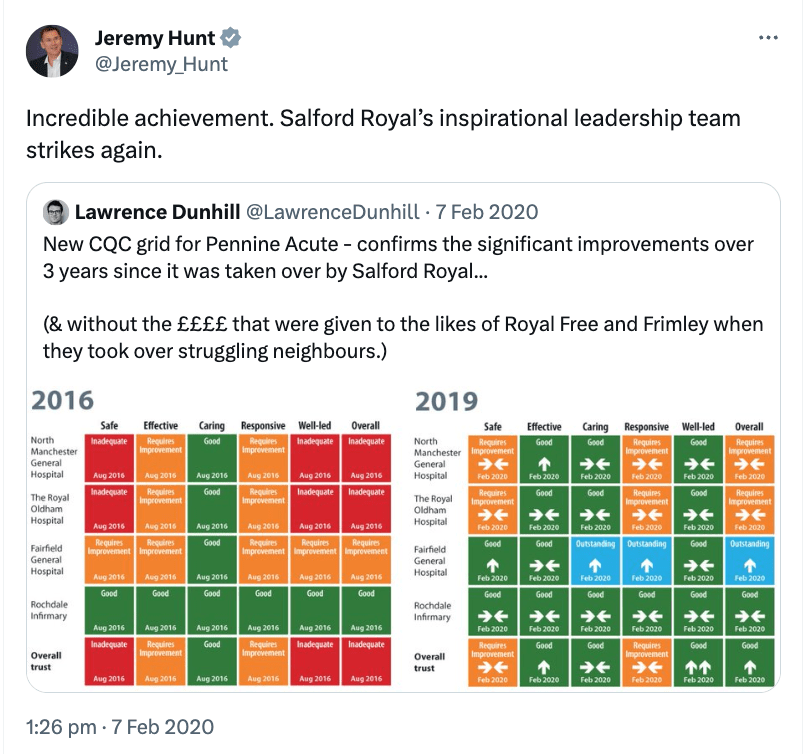
In 2015 Salford was the second trust to be rated “Outstanding” by the Care Quality Commission, after Frimley in 2014, another Hunt favourite and PR tool.
However, alongside this loud celebration ran another story.
There were concerns about the practice of a spinal surgeon, Mr John Bradley Williamson.
The concerns related both to clinical safety and outcomes, and to his conduct.
There have been a number of press reports about the case in recent years.
This is the report that has just been published by the Northern Care Alliance NHS Foundation Trust into these matters:
In August 2014 an anonymous whistleblower raised concerns with:
– The trust (in predecessor form, as the then Salford Royal NHS Foundation Trust)
– The General Medical Council
– Robert Francis
– The Care Quality Commission.
The “look back review” stated:
“In August 2014, an anonymous whistleblower contacted Salford Royal NHS Foundation Trust (now known as the Northern Care Alliance NHS Foundation Trust), General Medical Council (“GMC”), Care Quality Commission (“CQC”) and Sir Robert Francis then QC, now KC, (a barrister who has chaired several high-profile medical inquiries) with concerns about Consultant Spinal Surgeon A. The letter from the anonymous whistleblower described a number of areas of concern relating to Consultant Spinal Surgeon A’s behaviour, conduct, probity and capability.
In August 2014, Robert Francis was at that point a non-executive member of the CQC board (appointed 4 June 2014). He had also been knighted in the Queen’s birthday honours that same summer.
And last but not least, Francis had been named on 24 June 2014 as Jeremy Hunt’s chosen Chair of the now notorious Freedom To Speak Up review:
“Finally, I am announcing an independent review into creating an open and honest reporting culture in the NHS chaired by Sir Robert Francis QC, who chaired the landmark inquiry into the poor standards of care in Mid Staffordshire NHS Foundation Trust. The review is being established to provide independent advice and recommendations on measures to ensure that NHS workers can raise concerns with confidence that they will be acted upon, that they will not suffer detriment as a result and to ensure that where NHS whistleblowers are mistreated there are appropriate remedies for staff and accountability for those mistreating them. The review will consider the merits and practicalities of independent mediation and appeal mechanisms to resolve disputes on whistleblowing fairly. It will do this by listening to and learning the lessons from historic cases where NHS whistleblowers say they have been mistreated after raising their concerns and by seeking out best practice.”
It is reasonable to surmise therefore that the anonymous whistleblower disclosed to Francis personally in expectation of a best practice system response to their concerns.
According to the just published report, what followed was that the surgeon was dismissed in January 2015.
It was not until September 2015 that the trust invited the Royal College of Surgeons to review possible harm to patients:
“In September 2015, the Trust contacted the Royal College of Surgeons to request an Invited Service Review of the Trust’s spinal surgery service and to undertake a clinical review of 10 clinical records relating to patients at the Trust who had been under the care of Consultant Spinal Surgeon A1.”
The RCS reportedly found no substantive concerns:
“…there were no overall concerns about the standard of care provided to the patients that formed part of the review, although a series of complications were acknowledged. From the information present in the clinical records, it appears that the way in which the complications were managed once identified was appropriate in each case.”
Crucially, it appears there was more whistleblowing at the trust in 2016, which was not acted upon:
“In 2016, an internal request was made to review 17 patients to determine if any required either a clinical follow up or an appointment to determine possible preventable harm. The SPSLBR has been unable to determine if this progressed as the review did not follow the usual governance processes and at the time of producing this report, it has not been possible to determine why this was the case.”
FIVE years later, processes were finally established to review patient harm:
“In 2021, a multi-professional staff support group was established under the Trust’s Freedom to Speak Up process which raised new questions and concerns around the conduct, probity and capability of Consultant Spinal Surgeon A whilst they were employed by the Trust. This group raised concerns directly with the Trust Chief Executive and following this, the concerns were triangulated, leading to the realisation that clinical notes cannot be taken as accurate and correct, and emerging themes were identified with specific concerns around Consultant Spinal Surgeon A’s conduct, probity and capability whilst they were employed by the Trust. As a result, in January 2022, the Trust commissioned the SPSLBR Investigation Group to investigate these concerns.”
Why had concerns not been “triangulated” before, to reveal that the patient records were not reliable?
Did CQC and Robert Francis diligently ensure that the original 2014 whistleblower’s concerns were properly addressed?
Did CQC and or Francis receive any further disclosures, and if so, what did they do about them?
In 2018 when CQC renewed Salford Royal Hospital’s rating of “Outstanding”, it nevertheless noted some warning signs about whistleblowing governance in surgical services:
“Not all staff were aware of the role or purpose of the Freedom to Speak up Guardians, there was some concerns about the culture in theatres.”
“Whilst most departments felt supported and valued by the executive team and senior managers, some departments did not feel recognised by their peers, for example, in oral surgery. The oral surgery department had recently accessed the Freedom to Speak Up service resulting in the division undertaking a full comprehensive review within oral surgery that was going to be presented nationally”.
The trust’s external “look back review” also identified what it considered to be culture of low reporting in the spinal surgery service:
“The SPSLBR identified that there was a culture of low reporting of spinal surgical incidents within the timeframe of cases considered.”
Is this something that the CQC should have identified and followed up?
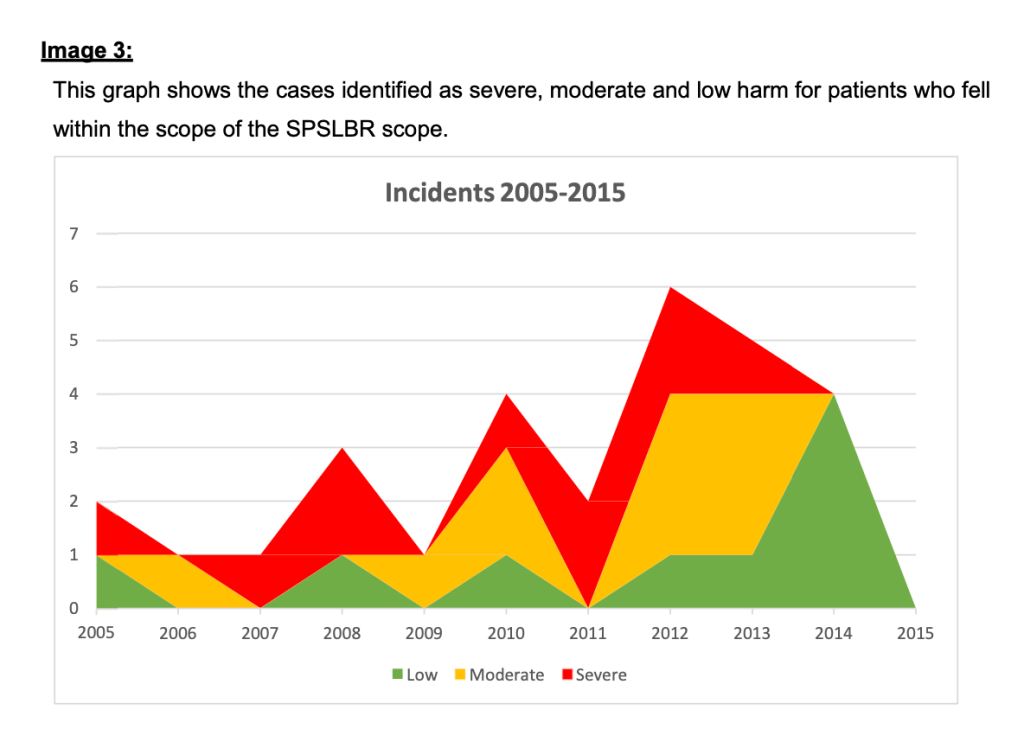
The review also concluded that there was both moderate and serious patient harm over a ten year period:
Robert Francis recommended in his report of the Freedom To Speak Up review that patients harmed by failures to manage NHS whistleblowing properly should receive redress.
Yet his model neither worked efficiently nor quickly at Salford, despite the claims that the organisation had better than average culture.
Also, until 22 December 2022, the CQC continued to rate Salford Royal Hospital as “Outstanding”.
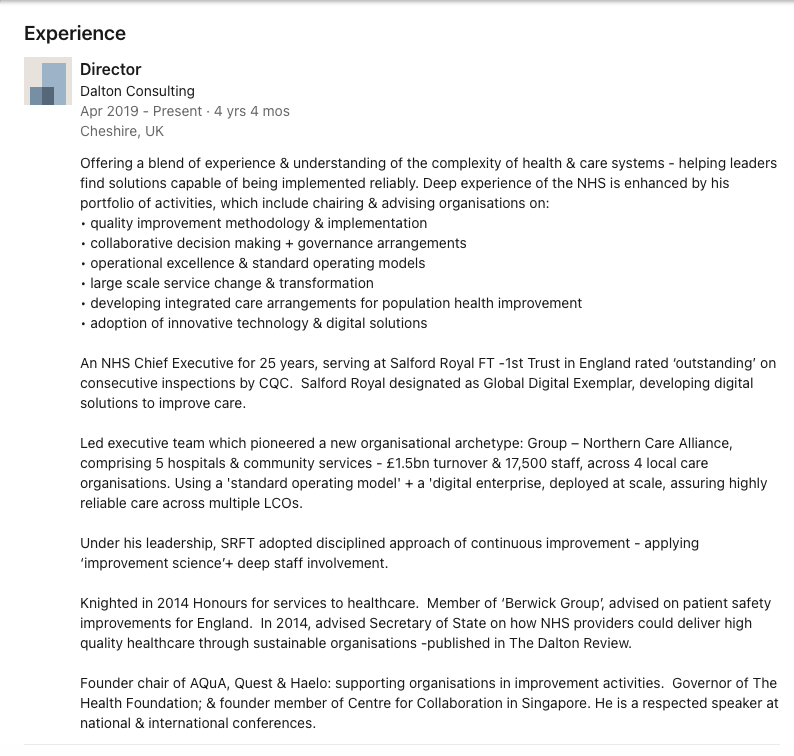
David Dalton the CEO of the Salford Royal NHS Foundation Trust, and then the Northern Care Alliance NHS Foundation Trust 2001 to 2019, was a powerful and much feted NHS CEO.
He authored the 2014 Dalton Review for Jeremy Hunt, advising on how NHS improvements could be made. It is full of “transformation”, “ambition”, “transaction” and suggestions for how successful organisations should be allowed to “expand their reach and have greater impact”.
He reportedly now operates his own company, Dalton Consulting, with this introduction on LinkedIn:
Importantly, Dalton was part of a group selected by Jeremy Hunt to work on the details of the Legal duty of Candour, which arose from Robert Francis’ Mid Staffs public inquiry recommendations. According to this briefing by AVMA Dalton advised as follows:
“Their report recommends that moderate as well as serious injury, or death, should be included in the new statutory duty of candour that the Government is about to introduce.”
Dalton’s joint report with Williams on Duty of Candour can be found here.
Status and hierarchy are often unhealthy in healthcare
Sirs and Dames, long letters after your name, friends rewarding friends and backscratching, beget incestuousness and circularity.
It can also impede accountability or give false assurance.
The look back review has noted:
“During the Trust’s Consultant Spinal Surgeons’ discussions with patients, a theme emerged that patients specifically sought out Consultant Spinal Surgeon A due to them holding senior roles in national professional bodies in the spinal surgical field. The patients’ interpretation of them holding such roles was that this demonstrated their clinical ability and that they were one of the leading surgeons in their field. These were non-elected roles. It is recommended that a copy of this SI report and action plan will be shared with those organisations where Consultant Spinal Surgeon A held senior roles and with their current Responsible Officer.”
RELATED ITEMS

 Alexander's Excavations
It is a tragicomedy.
Problems raised by whistleblowers need to be assessed, and improvements developed then implemented, at the same time as the whistleblower is encouraged.
The current system takes problems raised, classifies them, counts them, and puts a tick in a box, while punishing the whistleblower and trying to pretend that there are no problems.
I am not surprised we get endless disasters.
LikeLike
Robert Francis, was the most ineffective Chair of HealthWatch and failed to hold anyone to account whilst board member of CQC – in sharp contrast to his conclusions from the Mid Staffs Inquiry. When given the power to do something – he simply cloned their culture – and failed to make any difference – failing patients & families in the process. The number of huge scandals now exposed across the NHS – arising during this time – is testament to that default.
LikeLiked by 1 person
Looks very similar to Dundee, where the disgraced neurosurge
LikeLike